Historical Context
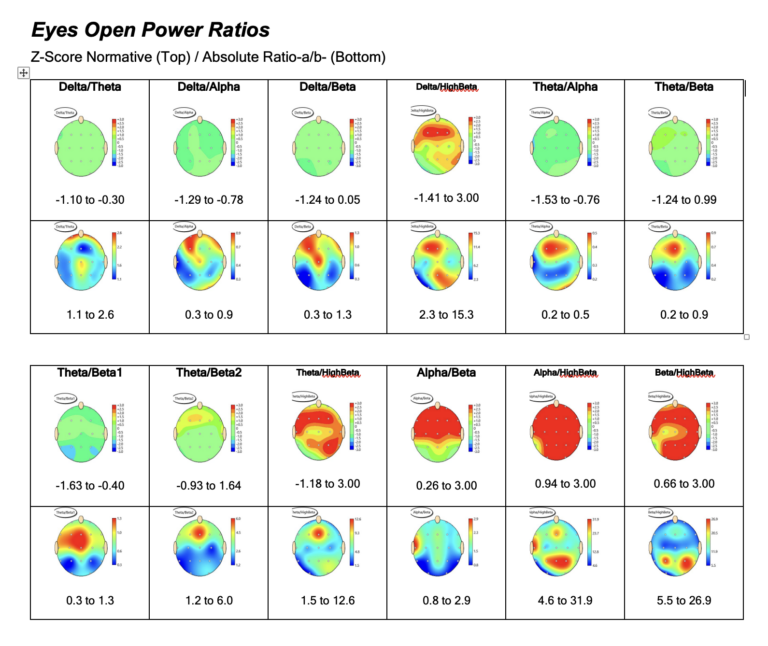
The transition from traditional EEG to quantitative EEG (QEEG) emerged as digital signal processing became available in the 1970s–1990s. QEEG has become a tool not for diagnosis, but for functional mapping, hypothesis generation, and informed neurotherapy planning.
QEEG is a descriptive, non-diagnostic measure of cortical function. Its benefit lies in quantifying brain activity—power, symmetry, and connectivity—so patterns can be understood in context rather than inferred from qualitative impressions alone. This structure helps organize complex observations into a coherent functional profile.
Quantification Provides a Baseline in the Event of Future Head Injuries.
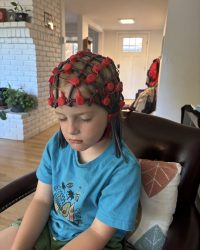
If you or a family member participates in contact sports, such as football, soccer, downhill skiing, or snowboarding, where you are at risk of concussions, getting a baseline QEEG is a must. With a baseline, we have a comparison to see how any head injury altered the brain!
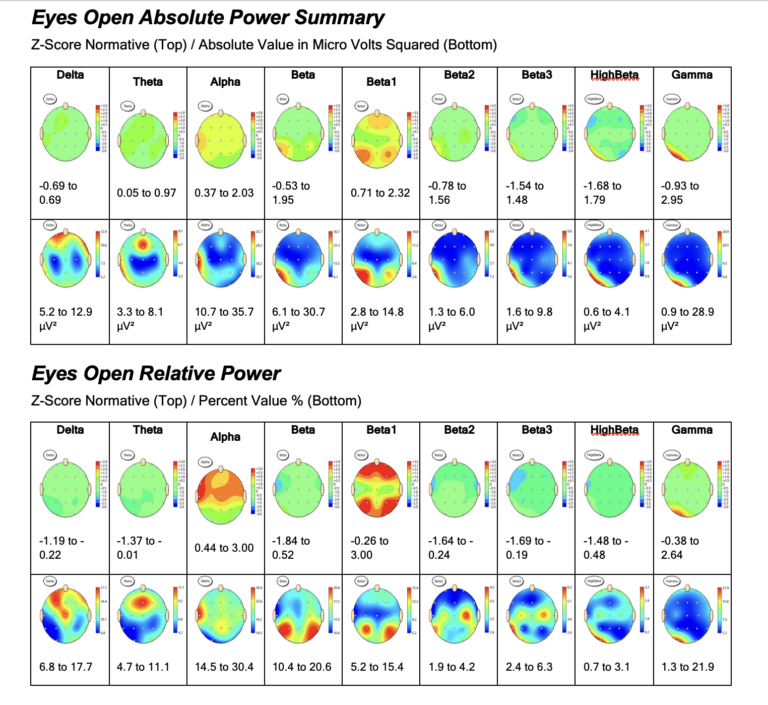
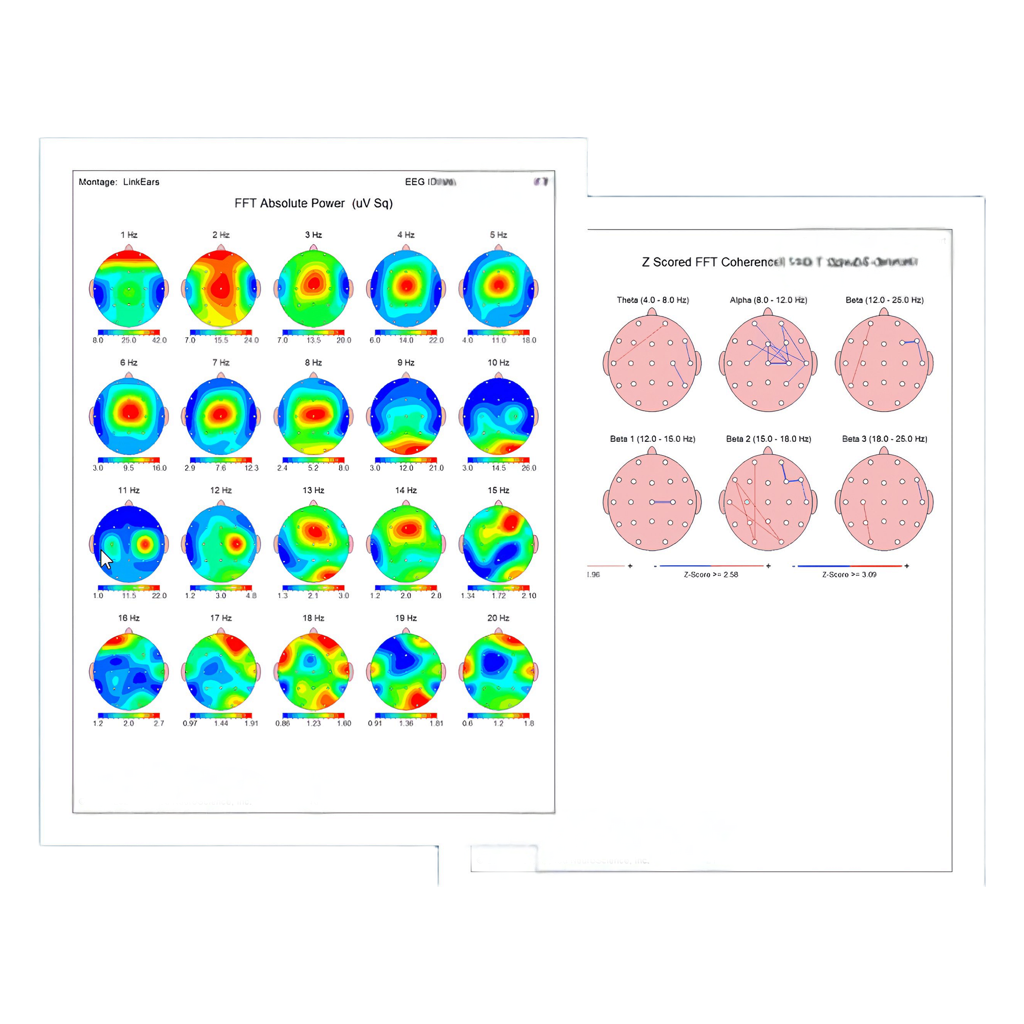
QEEG decomposes EEG into frequency bands (e.g., alpha, theta, beta) and measures absolute power, relative power, and peak frequencies. This allows more precise descriptions of attentional style, arousal tendencies, or sensory-processing patterns.
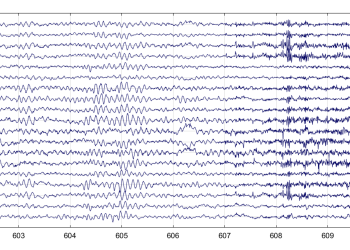
QEEG can highlight asymmetries or connectivity deviations that are not obvious in raw waveforms, supporting a more nuanced hypotheses about function.
Provides objective evidence of personal experience, such as changes in thought patterns, emotional regulation issues, word finding issues, and other symptoms.
QEEG assists in identifying potential targets—such as excessive high-frequency activity, underdeveloped alpha, or atypical coherence patterns—while always requiring correlation with history and lived experience. QEEG helps detect autonomic nervous system influences, enabling more accurate interpretation of whether a pattern reflects momentary physiology (e.g., sympathetic activation) rather than longstanding traits.
Tracking Change Over Time
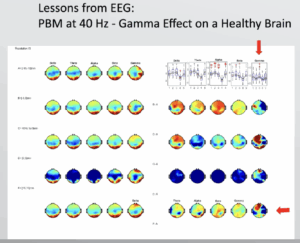
When used appropriately, repeated QEEG assessments may help observe whether certain frequency patterns, asymmetries, or connectivity metrics shift over a period of training.