



Unlock the Efficiency Healing Power Rhythms
of Your Brain
with Neurofeedback, Photobiomodulation, and Neurostimulation.
Evidence-based tools for healing, resilience, and peak performance.
-
Confidential
-
Accredited
-
Results
Behind the practice
The place to
achieve optimal functioning.
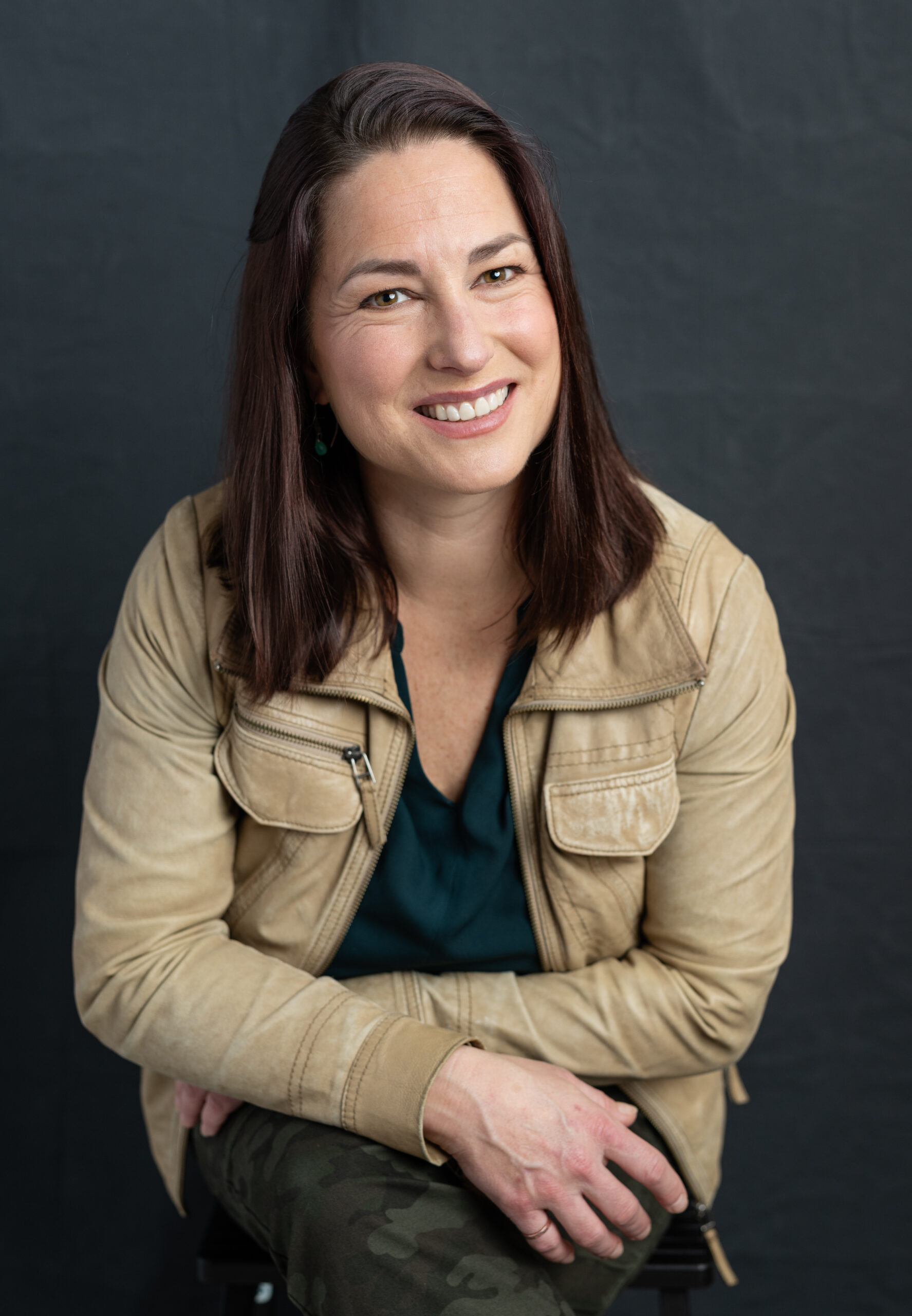
At Brain Insight Lab, we believe that change begins with understanding your brain. Founded by Brigid Turner, MS, QEEG-D, our practice blends neuroscience, compassion, and performance psychology to help clients overcome stress, trauma, and anxiety — and unlock new levels of focus, clarity, and well-being.
Turner’s path to neurofeedback is unique: after 15 years practicing law as a prosecutor on domestic violence and child abuse cases, she became deeply interested in how trauma affects memory and the brain. Combined with her background as a Division I and semi-professional soccer player, this journey shaped her passion for resilience, recovery, and performance.
These are the most common issues that neurofeedback and our other services help resolve:
-
ADHD & ADD
-
Anxiety & Panic Disorders
-
Addiction
-
Depression & Mood Disorders
-
PTSD & Complex Trauma
-
Tourette Syndrome & Tics
-
Autism Spectrum Conditions
-
Traumatic Brain Injury
-
Cognitive Impairment
Our difference
Why Choose Brain Insight Lab
At Brain Insight Lab, we combine science with humanity. Our practice is guided by:
-
The IQCB Code of Ethics, BCIA Professional Standards, and APA/AASP frameworks
-
A professional path shaped by law, trauma advocacy, athletics, and neuroscience
-
Core values of authenticity, compassion, curiosity, humility, and growth
This means your care is always ethical, transparent, and tailored to you.
Personalized services that works for you
Below are the types of services we offer to help our clients overcome and resolve issues and improve brain functionality.
Neurofeedback Training
QEEG Brain Mapping
NeuroStimulation
Photobiomodulation (PBM)
Baseline EEG
Our process
How it Works: 3 Steps
We make your healing journey easy with a clear, supportive three-step approach.
1
Brain Map
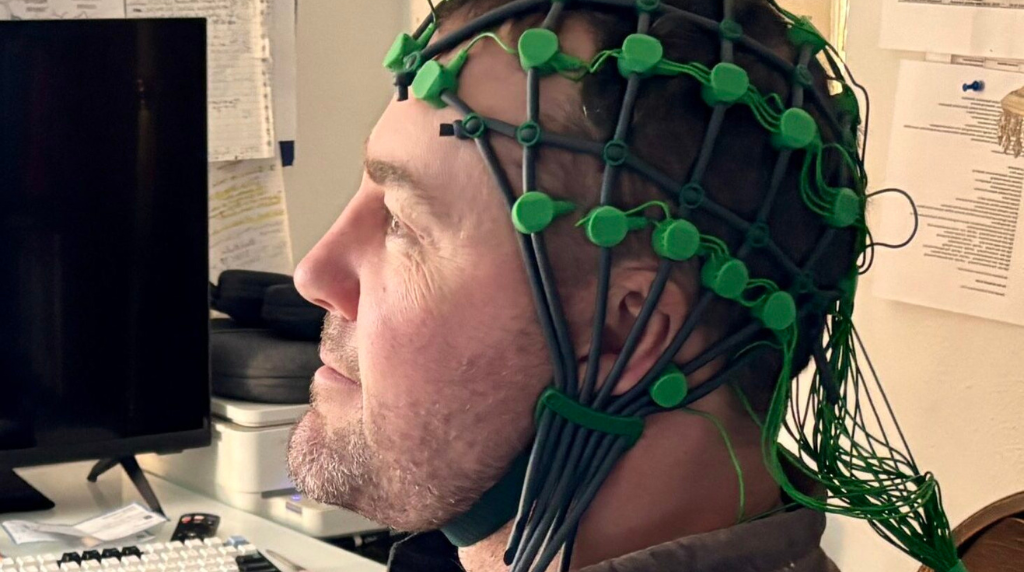
We generally start with a QEEG brain map - a non-invasive assessment that measures your brain’s electrical activity. This map highlights your brain’s strengths and areas of dysregulation, guiding a personalized training plan.
2
Train Your Brain
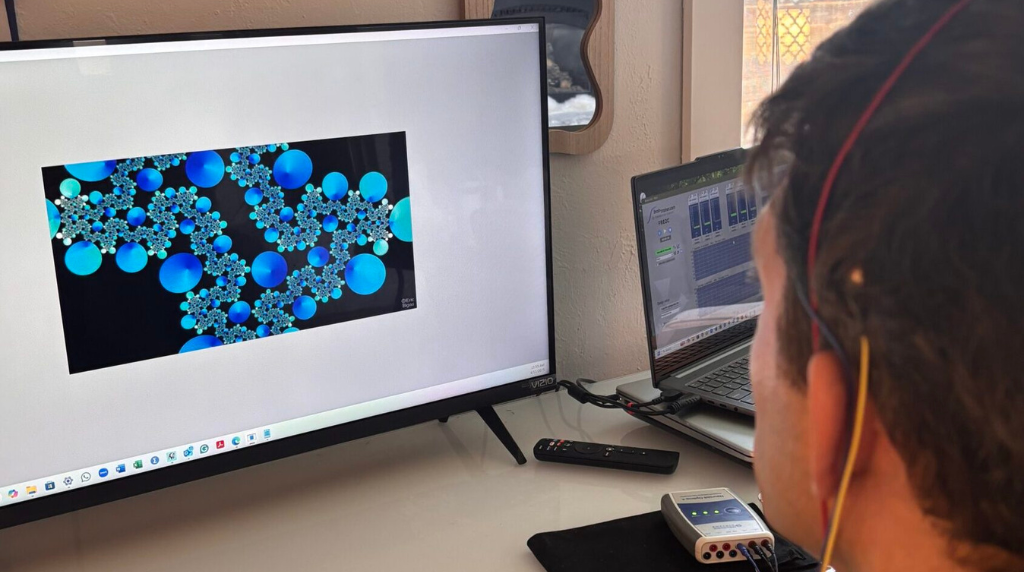
Through neurofeedback and/or other services, your brain’s activity becomes better regulated using real-time feedback. Training is gentle, safe, and often feels like playing a video game or watching a movie while your brain does the work.
3
Thrive in Daily Life
As your training progresses, improvements in focus, mood, sleep, and resilience begin to carry over into your daily life. For athletes and performers, this means sharper focus and faster recovery. For others, it may mean reduced anxiety, steadier emotions, or better memory.
Our experts
Meet the team
behind your care
Our team is here to help you navigate life’s emotional challenges with compassion and clarity.
Featured reviews
Hear from our
satisfied clients
Real feedback from people who have trusted us with their care and made meaningful progress through our services.
Brigid is absolutely wonderful! She helped me after numerous other health practitioners failed. She's so knowledgeable, patient and kind, and is such a pleasure to work with!
Dave L
Bend, OR
I’ve seen real improvement in the quality of my sleep and stress level since starting neurofeedback sessions. I feel more rested in the mornings and ready to face the day.
Jason F.
Midtown, Bend, Oregon
News
Stay informed with
our latest updates
Read our latest articles, tips, and announcements.
Breathing and HRV heals the Brain
Breathing for Health: Four Part Audio Series for Regeneration and Well-Being Adapted from Peper, E. (1990). Breathing for Health with Biofeedback. Montreal: Thought Technology Ltd and produced by Larry Klein. Breathing is the most intimate rhythm of life. From the moment we are born until our last breath, our breath is…
Brain Flexibility, Resilience, and Choice as Goals for Neurofeedback
This week at BioSource.com, expert neurotherapist John Anderson expounds on what is and is not a goal of neurofeedback: 1. Neurofeedback isn’t about changing personality — it’s about enhancing skills.Anderson explains that parents often worry that neurofeedback might alter who their child is. Instead, the focus is on training three…
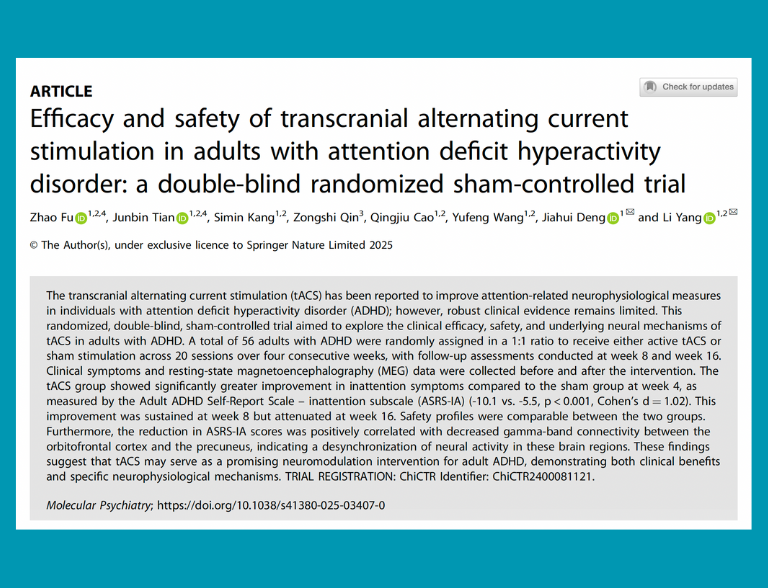
New study showing tACS for ADHD improves focus.
This study in the Journal of Molecular Psychiatry looked at transcranial alternating current stimulation (tACS) to help adults with Attention Deficit Hyperactivity Disorder (ADHD) with 56 adults with ADHD who were split into two groups. One group got real tACS treatment, and the other group got fake treatment (sham). tACS…
Questions answered
We're here to answer
all your questions
Have questions before starting with us? Find clear, honest answers about our services, what to expect, session details, and how we support you.
Yes. It’s non-invasive and drug-free.
Most clients complete 20–40 sessions, although some only require a few sessions.
Sessions are typically 50 minutes long, unless otherwise arranged.
We see children (6+), teens, adults, and seniors.
Coverage is limited; many clients pay privately. We can discuss financing options.
We use symptom checklists, clinical feedback, and brain maps.
Proud members of:
Achieve Peak Performance Today
Take the first step toward improvement. Our team is here to support you with care, understanding, and proven methods tailored to your unique needs.