
How Neurofeedback Has Been Used to Treat Addiction
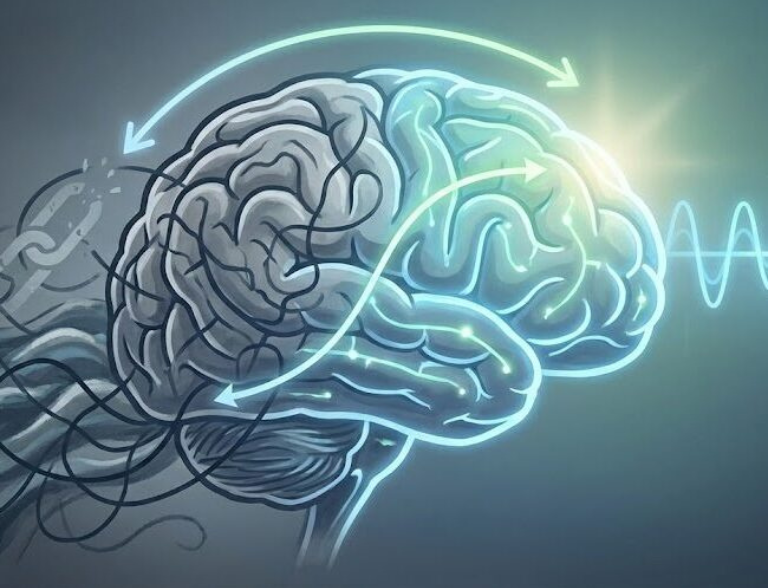
Addiction is a serious problem that affects many people and their families. It can make life feel confusing, stressful, and out of control. But over the years, doctors and scientists have looked for new and better ways to help people heal. One tool that has shown promise is neurofeedback. Neurofeedback may sound like a big word, but the idea behind it is simple: it helps the brain learn to work in a healthier way.
So, what is neurofeedback?
Neurofeedback is a type of brain training that uses computers to show people what is happening inside their brains. During a session, small sensors are placed on the scalp. These sensors do not hurt—they only listen to brain signals. A computer then shows these signals on a screen. The person might see a game, a movie, or colors that move based on their brain activity. When the brain works in a calm, focused way, the screen responds with something positive, like the game character moving forward or the movie playing clearly.
This feedback helps teach the brain what “healthy” looks like. Over time, the brain learns to repeat those healthy patterns on its own.
Now, how does this help with addiction?
Many people who struggle with addiction also deal with stress, strong cravings, or trouble staying calm. Their brains may have gotten stuck in patterns that make them feel overwhelmed or out of balance. Neurofeedback helps train the brain to shift into a steadier, calmer state. This can make it easier for people to manage emotions and resist cravings.
Studies have shown that neurofeedback can help reduce the desire to use drugs or alcohol. It can also help improve sleep, focus, and mood. These changes make recovery easier because the person feels more in control of their thoughts and actions.
One of the best things about neurofeedback is that it is non-invasive, meaning nothing goes into the body. It also does not rely on medicine. For people who want natural, brain-based support, neurofeedback can be a good option to use along with therapy, support groups, and healthy habits.
Another helpful part of neurofeedback is that it teaches skills that last. Because the brain is learning through practice—just like learning to ride a bike—the benefits often stay long after the sessions end. A stronger, calmer brain can help someone avoid returning to old habits.
Of course, neurofeedback is not a magic cure. Addiction is complex, and people usually need a mix of treatments to fully heal. But neurofeedback can be an important piece of the puzzle. It gives people a way to understand their own brains and gain confidence as they recover.
In the end, neurofeedback offers hope. It shows that with guidance, practice, and support, the brain can change and grow. And when the brain becomes healthier, people often find they can make healthier choices too. For many, neurofeedback has helped open the door to a brighter, more stable life free from addiction.

Brigid Turner was raised in Arcata, California and then attended Utah State on a full ride scholarship to play NCAA Division 1 soccer where she was the leading scorer and Female Athlete of the Year. She played 1 year of semi-professional women's soccer for Arizona Heatwave before earning her Juris Doctorate at University of Oregon School of Law. She practiced law as a D.V. and child sex abuse prosecutor for 12 years before going into personal injury law, but ultimately found her passion in the neurobiology of trauma and the brain. She recently graduated with a masters in Applied Psychophysiology from Saybrook University. She lives in Bend, Oregon with her two young sons.