
Photobiomodulation – PBM
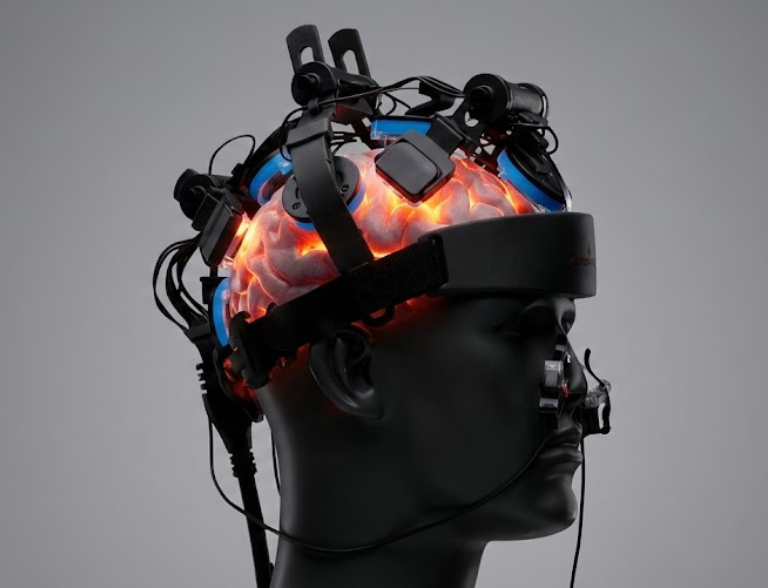
The potential of photobiomodulation (PBM) therapy as an innovative, non-invasive treatment for brain disorders is incredible. PBM uses near-infrared light to improve brain function by targeting neurovascular coupling (NVC), which is crucial for maintaining cerebral homeostasis and supporting brain functions. The therapy works by stimulating cellular processes, primarily through the activation of mitochondrial cytochrome c oxidase (CCO), leading to increased ATP production, nitric oxide (NO) release, and modulation of reactive oxygen species (ROS). These effects enhance cerebral blood flow (CBF), reduce oxidative stress, promote neurogenesis, and improve neuronal connectivity.
PBM has shown promise in treating various neurological and psychiatric disorders, including Alzheimer’s disease, Parkinson’s disease, depression, autism spectrum disorder (ASD), attention-deficit/hyperactivity disorder (ADHD), and traumatic brain injuries (TBI). It has demonstrated benefits such as reducing neuroinflammation, oxidative stress, and neurotoxicity, while promoting neurogenesis, synaptogenesis, and cognitive function. PBM also shows potential in improving brain connectivity and functional networks, which are essential for higher-order cognitive functions.